
A Universe of Pure Imagination

TM


Street Gangs of THE INLAND EMPIRE


In California's Inland Empire regioin, there are a handful of street gangs that operate within the region. A street gang is a gang usually made up of children, teenagers and/or young adults not to exceed 50 gang members; more than 50 members constitutes its own entry under "Gangs".
The following is a list of known street gangs in the Inland Empire region of California in the MDU. These street gangs are not reflective, representative, nor associated to any existing or defunct gangs in the real world in any respective manner.
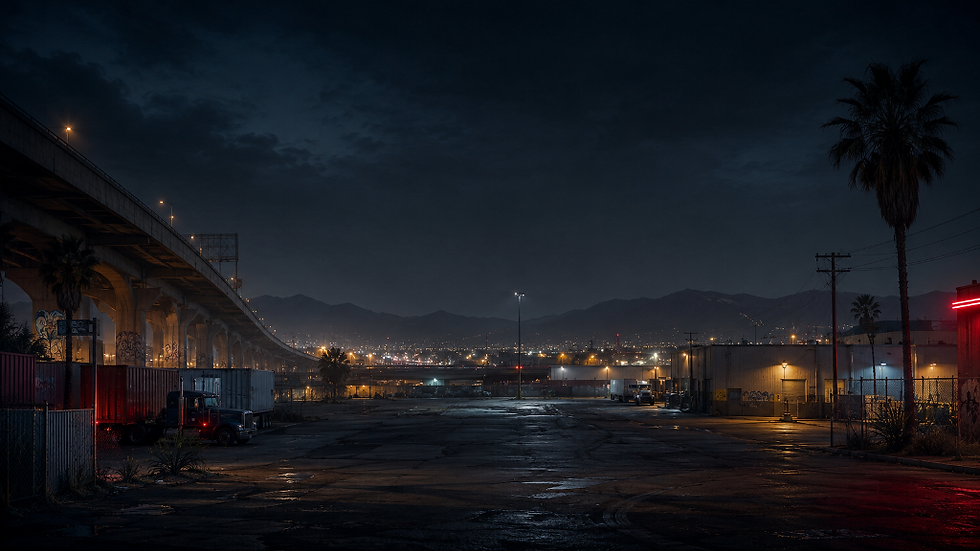
Blockhouse Lords
Leader: Terrence “Model Home” Pike
Number of Members: 28
Location/Territory: Corona, Eastvale, Moreno Valley, Jurupa Valley, subdivision belts, commercial strips, storage facilities, vacant homes, and unfinished development tracts
Allies: Burglary crews, storage-facility employees, dishonest contractors, parking-lot operators, and select neighborhood informants
Enemies: Citrus Block Crew, Quarrymen, local neighborhood-watch groups, rival burglary rings, and outside crews targeting suburban territory
Weapons of Choice: Tire irons, compact batons, utility knives, hammers, chains, and concealed stun devices
Brief Description: The Blockhouse Lords exploit the anonymity of Inland Empire suburban growth. They operate through vacant homes, storage compounds, half-built developments, parking lots, and repetitive tract neighborhoods where criminal activity can remain hidden behind a clean public appearance. Their rackets include storage-unit theft, burglary, property intimidation, occupation of vacant homes, and control of informal car meets. Members favor polished streetwear, polo shirts, light overshirts, tactical casual clothing, and angular house or subdivision-block insignias.


Citrus Block Crew
Leader: Elena “Rindfire” Morales
Number of Members: 26
Location/Territory: Riverside, Redlands, old citrus districts, produce markets, packing neighborhoods, worker-housing blocks, and street-vendor corridors
Allies: Local vendors, produce workers, neighborhood gamblers, select community organizers, and older residents sympathetic to the gang’s local roots
Enemies: Blockhouse Lords, predatory developers, outside extortion crews, and gangs attempting to take over old working-class neighborhoods
Weapons of Choice: Machetes, work knives, chains, pruning hooks, short bats, and heavy flashlights
Brief Description: The Citrus Block Crew emerged from Inland Empire neighborhoods shaped by the region’s agricultural past. Members present themselves as defenders of old citrus communities even while operating protection rackets, gambling circles, produce theft schemes, labor intimidation, and street-vendor taxation. Their local roots give them more community tolerance than many rival gangs, especially among residents who resent rapid development and neighborhood displacement. They wear orange, green, tan, and workwear-inspired clothing with hard-edged citrus-slice, orchard, and packing-house insignias.
Freeway Freaks
Leader: Nolan “Overpass” Vega
Number of Members: 34
Location/Territory: Ontario, Fontana, Rialto, Rancho Cucamonga freight corridors, I-10, I-15, SR-60 routes, truck stops, warehouse belts, frontage roads, and overpass districts
Allies: Select independent tow operators, mechanics, warehouse workers, street-racing crews, and freight informants
Enemies: Overload Syndicate, Yard Dogs, rival vehicle-theft crews, and outside gangs attempting to control freeway-adjacent routes
Weapons of Choice: Tire irons, tow chains, breaker bars, heavy flashlights, steering-wheel locks, and compact radios
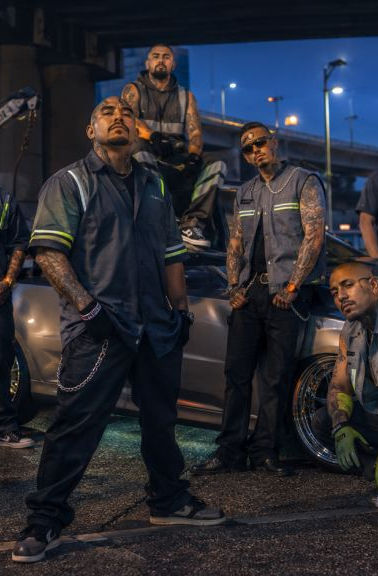
Brief Description: The Freeway Freaks are a highly mobile Inland Empire gang made up of drivers, mechanics, tow operators, warehouse laborers, and drifters who understand Southern California’s freeway system better than most outsiders. They organize their territory by exits, ramps, frontage roads, loading zones, and truck movement patterns rather than conventional neighborhood blocks. Their primary operations include vehicle theft, illegal towing, freight intelligence, chop-garage protection, and freeway-adjacent extortion. Members favor lightweight workwear, sleeveless hoodies, mechanic shirts, caps, and reflective highway-inspired markings.

Heat Mirage Crew
Leader: Sanaa “Sunflash” Greene
Number of Members: 19
Location/Territory: Desert-edge roads, outer Moreno Valley, isolated industrial lots, abandoned service roads, exposed commercial fringes, and routes leading toward more arid inland districts
Allies: Fuel thieves, independent smugglers, off-road crews, remote property squatters, and small vehicle-concealment operations
Enemies: Wash Rats, Freeway Freaks, rival road crews, private security patrols, and gangs attempting to control desert-edge handoff routes
Weapons of Choice: Hatchets, signal flares, tire irons, hunting knives, slings, dust masks, and protective goggles
Brief Description: The Heat Mirage Crew operates where dense development fades into open roads, neglected properties, heat-blasted industrial fringes, and desert-edge territory. They use distance, glare, isolation, and knowledge of abandoned routes to conduct fast thefts, vehicle concealment, fuel robbery, and smuggling handoffs. Their reputation is larger than their membership because they strike quickly and disappear before rivals can organize a response. Members wear breathable desert-toned clothing, neck scarves, wraparound glasses, utility belts, and shimmering road-haze insignias.
Overload Syndicate
Leader: Dominic “Pallet Jack” Reyes
Number of Members: 43
Location/Territory: Ontario, Fontana, Bloomington, major warehouse districts, logistics parks, loading docks, trucking depots, staffing centers, and distribution corridors
Allies: Select warehouse supervisors, temporary-labor recruiters, freight clerks, truck drivers, cargo fences, and dishonest logistics contractors
Enemies: Freeway Freaks, Yard Dogs, Quarrymen, law-enforcement cargo units, private warehouse security, and rival freight-diversion crews
Weapons of Choice: Pry bars, pallet-jack handles, box cutters, utility knives, heavy gloves, and compact radios
Brief Description: The Overload Syndicate is the Inland Empire’s largest and most organized street gang, built around the region’s warehouse and distribution economy. Its members influence loading crews, temporary labor, trucking schedules, cargo routing, and storage operations across major logistics corridors. The gang specializes in cargo diversion, warehouse theft, labor intimidation, counterfeit shipments, and protection rackets within industrial parks. Members wear lightweight warehouse workwear with black and safety-yellow accents, barcode designs, pallet-stack symbols, and clean utilitarian patches that resemble legitimate workplace markings.


Quarrymen
Leader: Victor “Bedrock” Salazar
Number of Members: 24
Location/Territory: Fontana, Jurupa Valley, cement plants, quarries, gravel yards, demolition zones, construction corridors, and heavy-equipment service areas
Allies: Select construction workers, demolition crews, equipment mechanics, salvage operators, and black-market tool dealers
Enemies: Blockhouse Lords, Overload Syndicate, rival construction thieves, private job-site security, and dishonest contractors who refuse their demands
Weapons of Choice: Sledgehammer handles, crowbars, chains, work axes, heavy tool housings, and reinforced work gloves
Brief Description: The Quarrymen are rugged construction and extraction specialists drawn from laborers, truck drivers, demolition workers, mechanics, and equipment operators. They use legitimate job-site experience to support tool theft, machinery resale, labor coercion, salvage control, and intimidation at construction projects. Their members typically appear more like hardened workers than traditional gang members, allowing them to blend easily into industrial areas. They wear dust-covered boots, sleeveless work shirts, safety-color accents, utility gear, and stone, hammer, or quarry-face insignias.
Wash Rats
Leader: Javier “Drainline” Soto
Number of Members: 22
Location/Territory: Flood-control channels, storm drains, river washes, culverts, underpasses, runoff corridors, and hidden access routes throughout Riverside, Moreno Valley, and surrounding districts
Allies: Independent couriers, encampment contacts, salvage crews, urban explorers, and small smuggling groups
Enemies: Heat Mirage Crew, local security patrols, rival couriers, and gangs attempting to control hidden transit routes
Weapons of Choice: Pipes, bolt cutters, machetes, slings, heavy flashlights, and compact radios
Brief Description: The Wash Rats control a network of flood channels, storm drains, culverts, and underpasses that allows them to move people and goods through the Inland Empire without using ordinary streets. Though smaller than many regional gangs, their knowledge of hidden routes makes them valuable as couriers, smugglers, scouts, and recovery specialists. They are known for concealed storage sites, rapid disappearances, and ambush-style thefts near isolated wash access points. Their clothing features dusty gray, rust, and weathered brown tones with waterproof pouches, light utility gear, and rat-and-channel insignias.


Yard Dogs
Leader: Marcus “Switchman” Doyle
Number of Members: 31
Location/Territory: San Bernardino rail yards, intermodal facilities, freight depots, maintenance corridors, rail spurs, abandoned sidings, and nearby industrial blocks
Allies: Select rail workers, scrap dealers, freight informants, warehouse laborers, and transient encampment networks
Enemies: Freeway Freaks, Overload Syndicate, Container Kings, rival cargo thieves, and private rail-security teams
Weapons of Choice: Rail hammers, crowbars, bolt cutters, hook tools, heavy flashlights, and work gloves
Brief Description: The Yard Dogs are rail-yard scavengers, cargo watchers, and freight-route predators who built their identity around the Inland Empire’s sprawling rail infrastructure. Many members have worked in freight, maintenance, scrap recovery, or informal labor around the tracks. They specialize in rail-yard theft, scrap diversion, cargo intelligence, intimidation of workers, and the use of abandoned depots as hidden storage. Their clothing consists of sun-faded work shirts, utility vests, rugged cargo pants, heavy boots, and insignias based on rail spikes, track switches, or snarling dogs.